 Oleg Yunakov
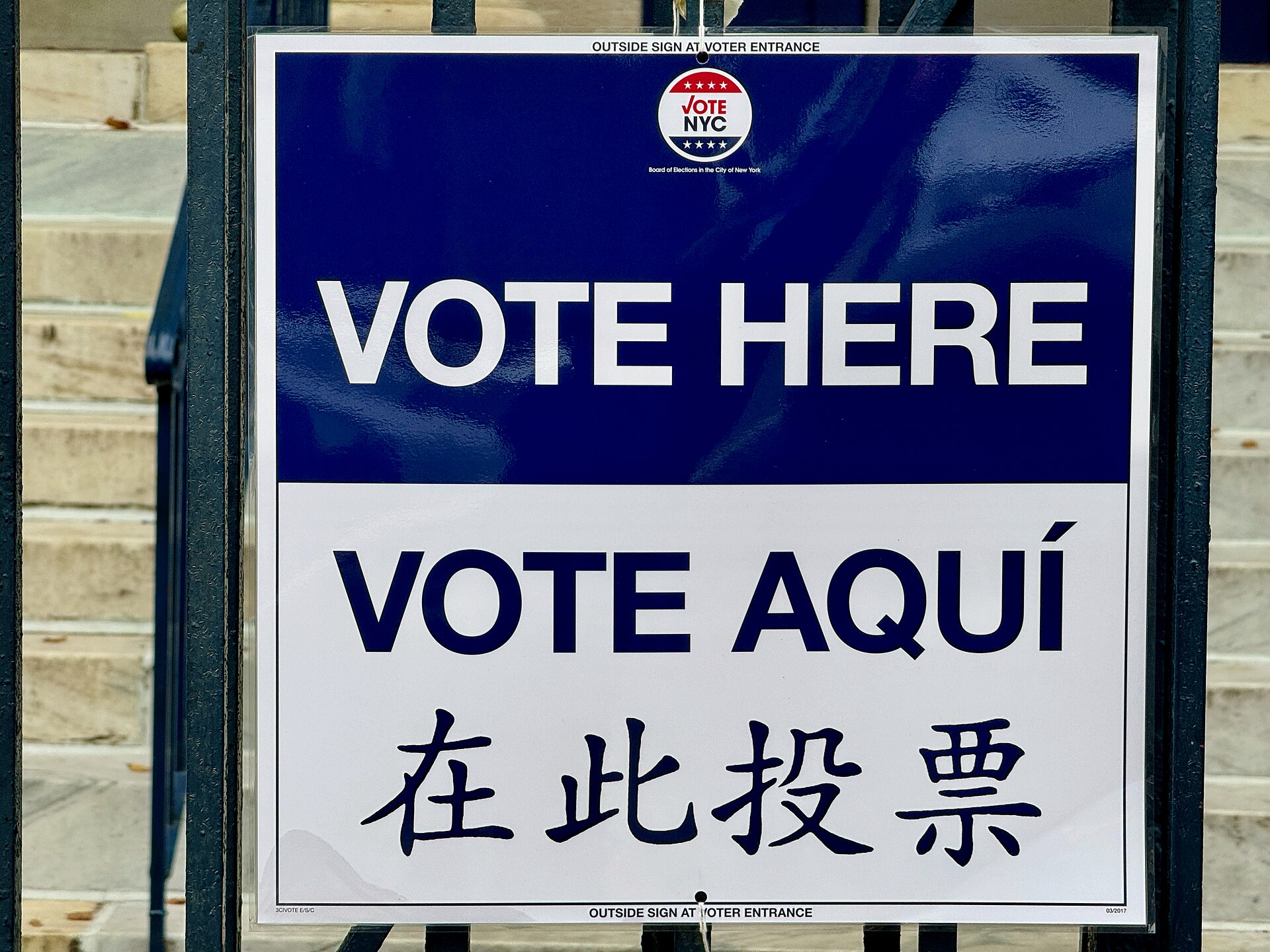
On November 3, 2026, the so-called "Midterms" elections will take place in the United States. The main purpose of this election is to choose occupants for 435 seats in the House of Representatives, whose terms last 2 years, in addition to 35 seats in the Senate, which have 6-year terms. Similar to Brazil, for the president to govern and continue his policies, it is preferable that the majority of representatives of his party are present in the legislative chambers. Therefore, the "midterms" are quite important and could still significantly impact the Trump Administration.
A large part of the American population is dissatisfied with the current administration. Research from The Economist indicates that 61% of voters disapprove compared to 34% approval of the Trump administration. Regarding those dissatisfied, the biggest complaint is about the president's ability to strategically handle an international crisis, with the Iran War being the main factor of disapproval currently. In addition, other indicators that account for the level of dissatisfaction are prices/inflation; jobs and the economy; and immigration, in that order.
With the midterm elections on the radar, institutions are already conducting surveys to analyze the voting scenario in the country. CNN presented a story indicating that "independents," that is, those not aligned with either of the two major US parties, are reaching their highest number in years, suggesting a shift away from the Republican Party among registered voters since 2024.
The Pew Research Center conducted a more detailed analysis observing the voting preferences of certain groups considering age, gender, ethnicity, among others. Initially, Democrats have a 6-percentage point advantage over Republicans among registered voters on the general ballot for Congress (43% vs. 37%). Regarding the Latino electorate, 49% indicated a preference for Democratic candidates for Congress, while 26% opted for Republican representatives and 24% declared themselves undecided or supporters of third parties.
This scenario differs from the panorama of the 2024 presidential elections, when Hispanic voters were divided almost equally in their voting intentions. For this ethnic group, analysts point to the cost of living and inflation as the greatest source of dissatisfaction with the current government, given the impact on immigrant and low-income families.
In addition to the cost-of-living issue, it is worth noting the decisive influence of the geographical distribution of this electorate. The more than 36 million Latinos eligible to vote are heavily concentrated in swing states like Arizona, Nevada, Florida, and Texas, making small variations in their voting intentions crucial in determining the majority in Congress. Similarly, while the economy is a top priority, stricter immigration policies and increased fear of arrests and deportations are also generating apprehension and negative reactions among families with mixed immigration status, reducing support for the current administration. Finally, there are important internal demographic differences: young Latinos and women lead the movement to return to voting for the Democratic Party, while younger Latino men and evangelicals identify more strongly with the proposals of the Republican Party.