 Montanasuffragettes
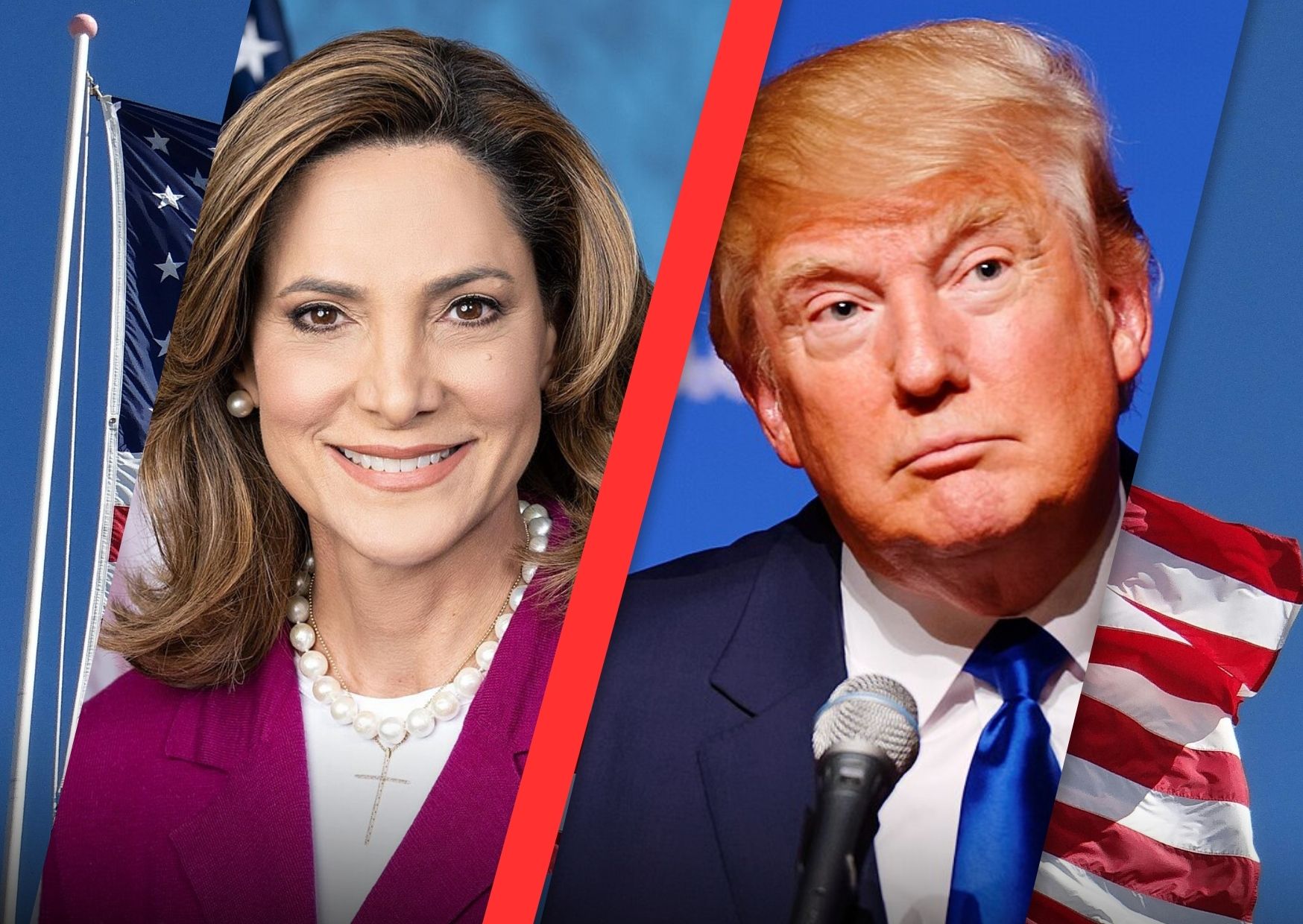
On November 3 of this year, the United States will hold midterm elections, during which the country's Congressional membership will be renewed. Given that voting is not mandatory in the U.S., there is concern regarding citizen participation in this election cycle, driven by deep distrust concerning the security and integrity of the results. This sentiment intensified largely due to Donald Trump's decision to restrict mail-in voting for these elections; this left the American public confused and skeptical, sparking speculation about the potential for federal interference.
Citizens have raised questions about whether their votes will actually be counted; indeed, less than 50% of voters believe these elections can be free and fair, according to data from the University of California, San Diego. Furthermore, the same source indicates that four in ten voters expect immigration agents to be present in voting areas - a prospect fueled by Trump’s statements claiming this would happen. Additionally, major public concern centers on the reliability of the vote count, specifically regarding the possibility that counting might begin before all ballots are collected, as well as potential tampering resulting from sudden system changes.
Against this backdrop, there is a perception that authorities are attempting to mislead the public by promoting narratives that emphasize security and confidence in the electoral system, while assuring that protective measures will be implemented to safeguard democracy in the event of interference.
Although it may seem alarming, recent elections have seen some of the highest voter turnouts in years, and expectations for 2026 are no different. According to Professor Laura Prather of UC San Diego, there is no concrete evidence - whether in the United States or elsewhere o suggest that voter participation will decline due to distrust in the system, even when accounting for the election-denialist rhetoric recently employed by Donald Trump.
While distrust regarding election security and
restrictions championed by Donald Trump create uncertainty and fears of
interference among American voters, data from the University of California, San
Diego, and analyses by other experts indicate no concrete evidence that this
apprehension actually reduces voter turnout. Thus, the climate of institutional
insecurity observed in the run-up to the 2026 midterm elections reinforces the
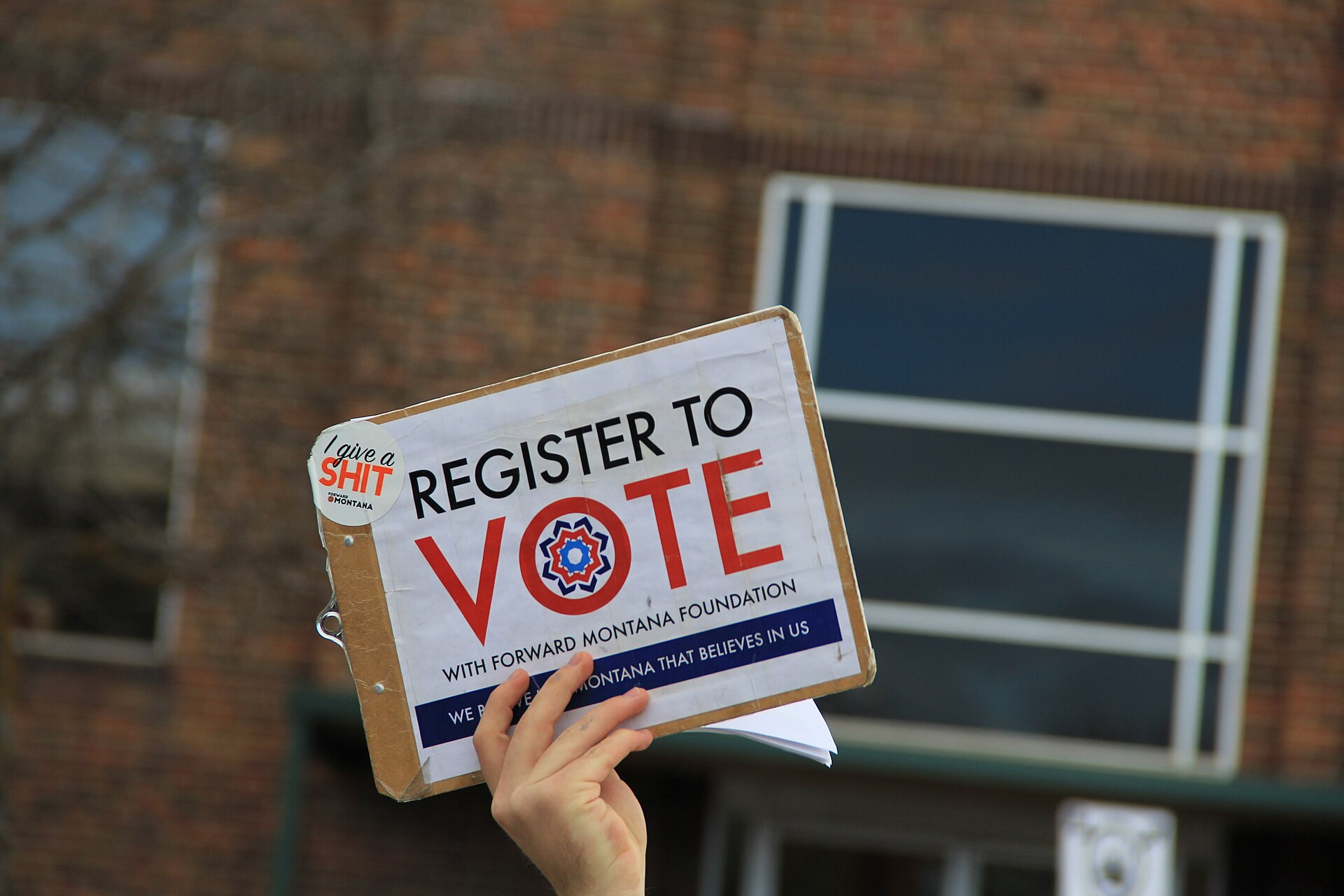
importance of civic engagement, highlighting that voting remains an essential
pillar of the democratic future, despite the challenges and destabilizing
rhetoric.