 Gillfoto
INTRODUCTION
The political landscape of the United States in 2026 is marked by a high degree of ideological fragmentation, in which immigration has become one of the main structuring axes of electoral campaigns for the midterm elections. More than an administrative issue, the topic has become a central instrument of political mobilization, frequently associated with narratives of national security, cultural identity, and economic stability. This framing contributes to reducing the space for legislative negotiation, as it increases the political costs of concessions between parties.
In this context, the observed legislative paralysis stems not only from disagreements over public policies, but also from electoral incentives that discourage bipartisan cooperation, especially in an environment of high polarization. The political exploitation of the border transforms migration management into a zero-sum game, in which negotiated advances tend to be perceived as electoral losses. As analyzed by the Brookings Institution, this dynamic produces a paradox: while public debate becomes more conflictual, the persistence of unresolved problems, such as operational border security and labor demand, increases, in the medium term, the pressure for pragmatic solutions, especially after the election cycle.
The public's perception of "crisis" has reached critical levels, fueled by an uninterrupted news cycle and the strategic use of border apprehension data. According to public opinion trends monitored by Gallup, immigration consistently ranks among the greatest concerns of Americans, with peaks coinciding with moments of heightened rhetorical tension. This perception, however, is not uniform: it reflects the polarization of the country, where different groups interpret the migratory phenomenon from distinct frameworks, such as a humanitarian crisis or a crisis of sovereignty.
While surveys indicate a social demand for resolution, current political incentives tend to favor fragmented responses, such as executive measures and legal disputes, to the detriment of structural reforms.
Thus, the year 2026 can be
understood as the intensification of a system that operates under the logic of
exhaustion, that is, polarization simultaneously blocks immediate solutions and
accumulates structural pressures in the economic, administrative, and social
fields that, under certain conditions, may reopen space for political
pragmatism in subsequent cycles.
1. THE “NATIONALIZATION” OF THE BORDER
The migratory dynamics in the United States in 2026 reflect a structural transformation in which a phenomenon historically concentrated in the southwestern states has acquired a national character, both in logistical and political terms. The systematic sending of migrants to northern cities, such as New York and Chicago, has altered public perception and broadened the scale of the debate, inserting new subnational actors at the center of the migration issue.
As indicated by official data on crossings and encounters from U.S. Customs and Border Protection, migratory pressure remains high. However, the recent distinguishing element is not only the volume, but the geographical redistribution of these flows, which imposes administrative and fiscal costs on states and municipalities that previously lacked consolidated infrastructure for reception.
This new reality is
detailed in the state profiles of the Migration Policy Institute, which highlight the increased budgetary effort required to provide
basic services such as health, housing, and social assistance. This process
contributes to straining the federal arrangement, as local governments begin to
demand greater coordination and federal support, redefining, in practice,
institutional responsibilities for migration management.
2. THE ECONOMIC IMPERATIVE VS. POLITICAL RHETORIC
The second term of Donald Trump's administration has been marked by increasing tension between the hardening of anti-immigration rhetoric and the persistent dependence of the American economy on immigrant labor. Essential sectors, such as agriculture, construction, and services, exhibit structural levels of dependence on this workforce, whose replacement, in the short term, is limited by both technological constraints and demographic factors.
The relative reduction of this workforce occurs in the context of projected expansion of the labor market. According to the US Bureau of Labor Statistics, millions of jobs are projected to grow between 2024 and 2034, which tends to increase pressure on the supply of workers. According to analyses by the PewResearch Center, there is evidence of a decline in the participation of immigrant workers in certain sectors under contexts of greater immigration restriction, although the magnitude of this movement varies according to the period and methodology employed. This mismatch between labor supply and demand produces concrete economic effects, including pressures on production costs, supply chains, and consumer prices. In the agricultural sector, for example, labor shortages directly impact productive capacity; in the care and health sector, population aging increases the demand for labor-intensive services.
At the same time, the government maintains that the focus of deportation policies falls on individuals with criminal records. However, recurring analyses indicate that a significant portion of those detained by Immigration and Customs Enforcement (ICE) do not have criminal convictions, revealing a discrepancy between the official narrative and the practical implementation of policies. ICE operations have expanded immigration repression beyond borders, generating direct impacts on productive sectors, especially agriculture. Sector representatives warn that dependence on migrant labor is a structural factor in food production. In this context, global inflationary pressures, including those associated with international conflicts, tend to amplify internal effects, mainly affecting lower-income populations, among whom immigrants occupy a vulnerable position.
In the health sector, a long-term demographic scenario is observed, characterized by population aging and increased demand for continuous care. The slowdown in population growth, associated with lower levels of net immigration, tends to intensify this imbalance between labor supply and demand for services.
Thus, we observe the
coexistence of conflicting incentives: while political logic favors more
restrictive positions, the structural constraints of the economy impose
practical limits on these same policies. This tension does not eliminate conflict,
but creates conditions for incremental adjustments, frequently mediated by
economic and sectoral pressures.
3. TECHNOLOGY AND SECURITY AS A BARGAINING CHIP
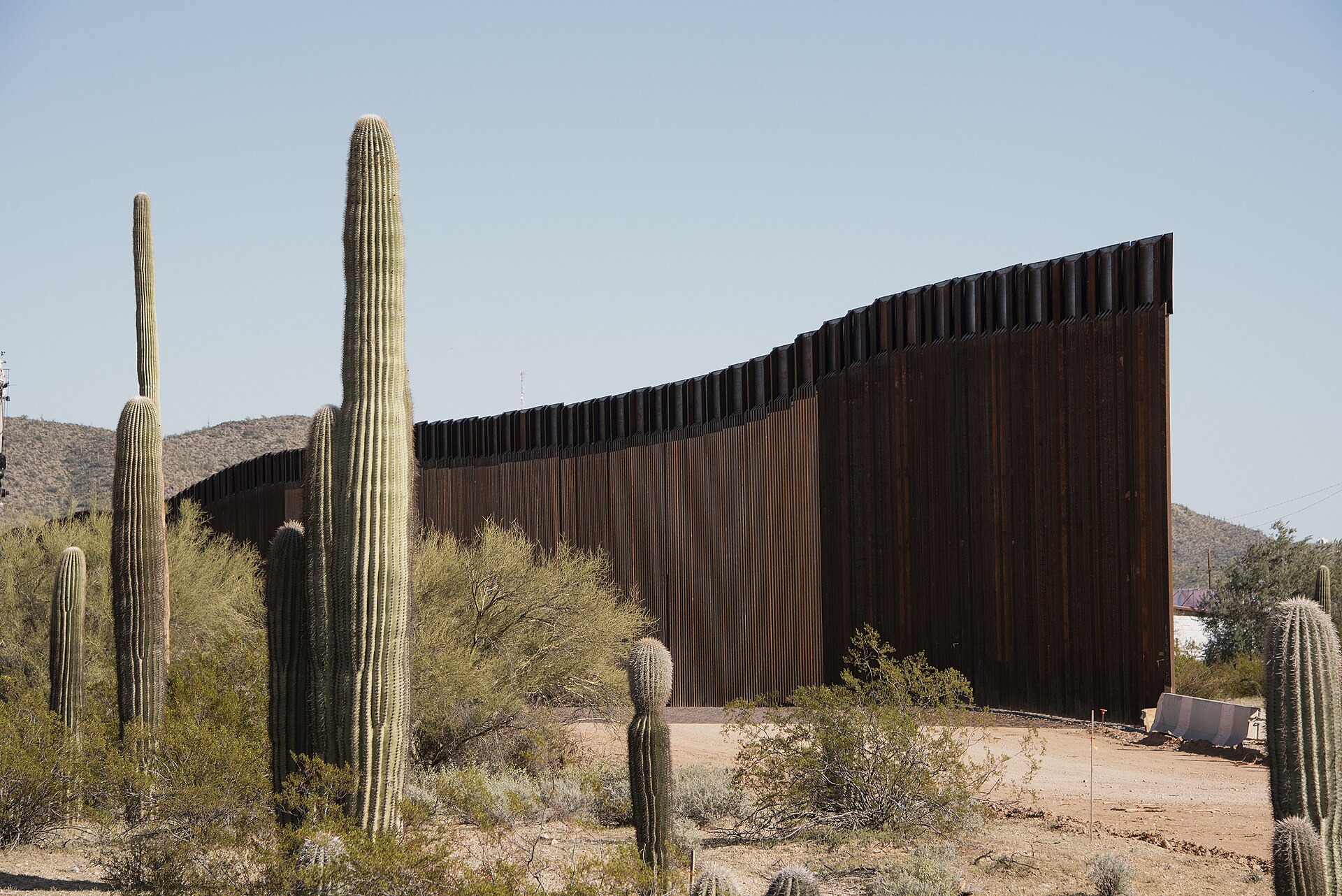
The search for solutions to the 2026 migration impasse has found, in the concept of "Smart Border," one of the few areas where limited zones of convergence emerge between Republicans and Democrats. The technological modernization of border management is frequently presented as an alternative capable of reconciling security demands with greater operational efficiency.
According to the strategy
established by U.S. Customs, the focus is on the use of technologies such as Autonomous
Surveillance Towers (ASTs) and non-intrusive inspection (NII) systems, which
allow continuous monitoring without disrupting legitimate trade flows. The
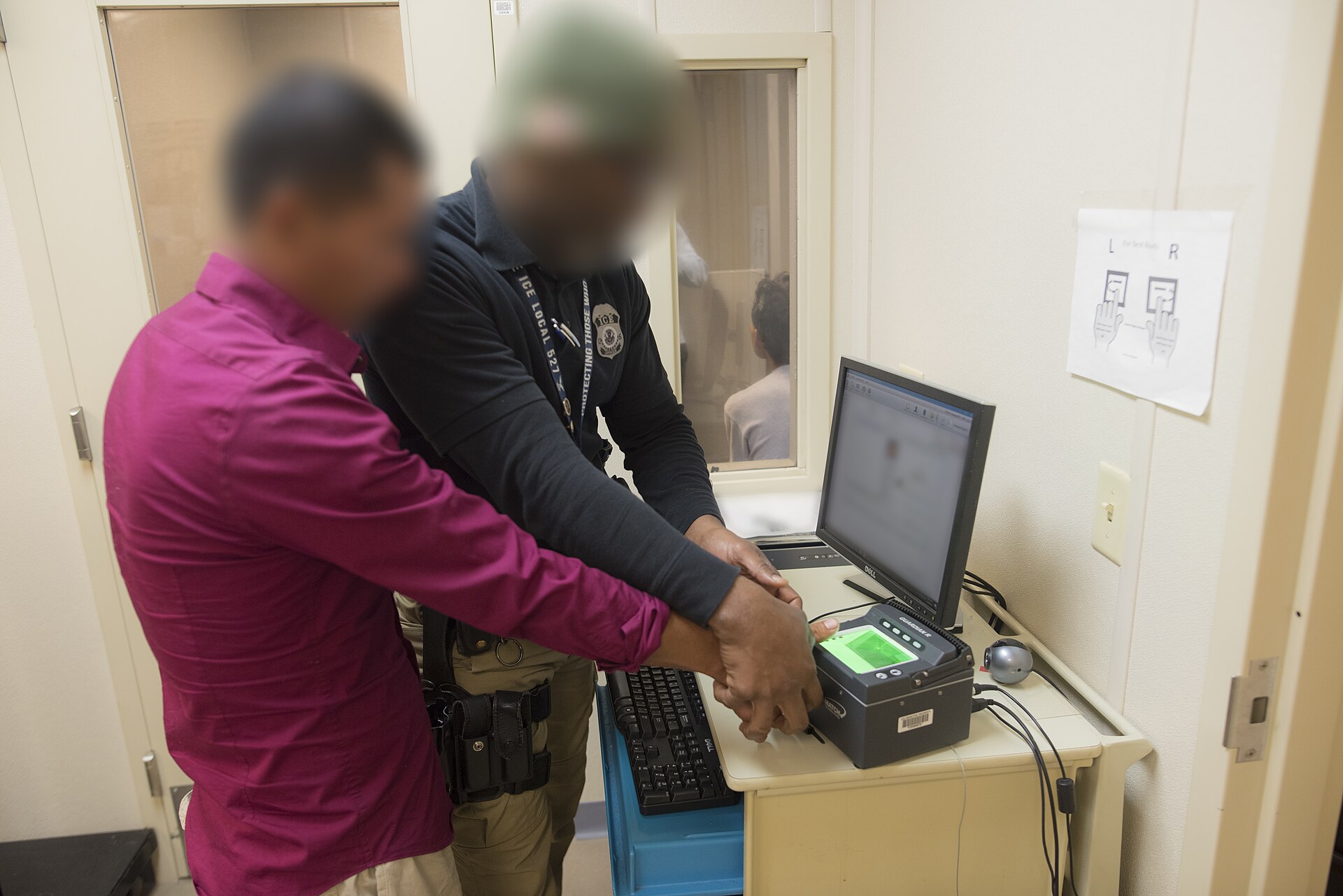
expansion of biometric entry and exit systems has also become a relevant tool
in immigration management. Furthermore, the use of artificial intelligence and
data analysis for risk-based screening allows for a more selective and targeted
approach. According to technical reports, these tools show potential for greater operational efficiency and
better cost-effectiveness compared to exclusively physical solutions. Even so,
this convergence is partial and does not eliminate substantial divergences,
especially on issues such as privacy, institutional oversight, and application
criteria, indicating that technology functions more as a bargaining chip than
as a definitive solution.
4. THE PATH TO POST-ELECTION PRAGMATISM
The United States is at the beginning of a significant demographic transformation, marked by population aging and a slowdown in workforce growth. Projections from the CongressionalBudget Office indicate a significant increase in the elderly population in the coming decades, which tends to increase pressure on social security systems and care-intensive sectors. In addition, there is a trend of declining birth rates, which contributes to the increase in the average age of the population. According to the U.S. Census Bureau, in the absence of consistent migratory flows, population growth tends to slow significantly, with possible implications of stagnation or decline in the long term.
In this context, immigration is analyzed not only from ideological perspectives, but also as a relevant variable for economic and fiscal sustainability. It is in this scenario that the post-election period, especially from 2027 onwards, may represent a window of institutional opportunity. The beginning of new mandates tends, historically, to offer greater scope for proposing reforms, due to less immediate electoral pressure. This change in context contributes to reshaping political perceptions about specific groups, such as the Dreamers, who, despite their social and educational integration in the United States, remain in an uncertain legal situation. Recent legislative proposals indicate attempts to reconcile immigration regularization with mechanisms for economic compensation and institutional strengthening.
Among these proposals, the
DIGNIDAD Law stands out, providing pathways for conditional regularization, as well
as initiatives from the New Democrat Coalition, which seek to integrate border security and modernization of the
immigration system.
5. THE SOLUTION THROUGH EXHAUSTION
The dynamics observed throughout 2026 indicate that the current immigration system operates under simultaneous political, economic, and demographic tensions. Partisan polarization contributes to maintaining the impasse in the short term; however, this impasse generates cumulative effects that increase the pressure for more functional responses, especially in economically strategic sectors. As pointed out by the World Economic Forum's Global Risks Report 2026, human mobility is a relevant factor for global economic stability. In the case of the United States, the accumulation of internal pressures, including labor shortages, an aging population, and increasing administrative costs, tends to increase the likelihood of pragmatic adjustments in the post-election period.
In this scenario, the
so-called "solution by exhaustion" should be understood not as an
inevitable outcome, but as a scenario in which the accumulation of political
and economic costs expands the space for negotiations. The partial convergence between
technological border control mechanisms and labor regularization initiatives
suggests that immigration tends to consolidate as one of the main vectors,
albeit politically contested, for the economic and institutional stabilization
of the United States in subsequent years.
REFERENCES
BRAZILIAN TIMES. Departamento
de Trabalho dos EUA alerta para possível crise alimentar causada por operações
migratórias do governo Trump. Brazilian Times, 2025. Available
at: https://wwwbraziliantimes.com/imigracao/departamento-de-traballho-dos-eua-alerta-para-possivel-crise-alimentar-causada-por-operacoes-migratorias-do-governo-trump/. Accessed
on: April 22, 2026.
BROOKINGS
INSTITUTION. How 2026's divisive immigration politics could lead to a
solution down the road. Brookings, 2026. Available at: https://www.brookings.edu/articles/how-2026s-divisive-immigration-politics-could-lead-to-a-solution-down-the-road/. Accessed
on: April 22, 2026.
BUREAU OF
LABOR STATISTICS. Employment Projections: 2024-2034. U.S. Department of
Labor, 2026. Available at: https://www.bls.gov/emp/. Accessed on: April 22,
2026.
CONGRESSO DOS EUA. H.R.3599 -
DIGNIDAD (Dignity) Act. Congress.gov, 2026. Available
at: https://www.congress.gov/bill/118th-congress/house-bill/3599. Accessed
on: April 22, 2026.
CONGRESSIONAL
BUDGET OFFICE (CBO). The Demographic Outlook: 2024 to 2054. CBO, 2026. Available
at: https://www.cbo.gov/publication/61879. Accessed
on: April 22, 2026.
GALLUP. Immigration. Gallup Historical Trends, 2026. Available
at: https://news.gallup.com/poll/1660/immigration.aspx. Accessed
on: April 24, 2026.
G1. Combate à imigração de
Trump derruba taxa de crescimento da população dos EUA. G1 Mundo, 27 jan.
2026. Available at: https://g1.globo.com/mundo/noticia/2026/01/27/combate-a-imigracao-de-trump-derruba-taxa-de-crescimento-da-populacao-dos-eua.ghtml. Accessed on: April 22, 2026.
G1. EUA: imigrantes deixaram
força de trabalho sob Trump. G1 Economia, 02 set. 2025. Available
at: https://g1.globo.com/economia/noticia/2025/09/02/eua-imigrantes-deixaram-forca-de-trabalho-sob-trump.ghtml. Accessed on: April 22, 2026.
MIGRATION POLICY INSTITUTE. State
Immigration Data Profiles. MPI, 2026. Available
at: https://www.migrationpolicy.org/programs/data-hub/state-immigration-data-profiles. Accessed
on: April 22, 2026.
NEW
DEMOCRAT COALITION. New Dems Unveil New Plan to Secure the Border and Reform
the Immigration System. NDC, 2026. Available at: https://newdemocratcoalition.house.gov/media-center/press-releases/new-dems-unveil-new-plan-to-secure-the-border-and-reform-the-immigration-system. Accessed
on: April 22, 2026.
PEW
RESEARCH CENTER. Pew Research Center: a nonpartisan fact tank. Pew, 2026. Available
at: https://www.pewresearch.org/. Accessed
on: April 22, 2026.
U.S.
CUSTOMS AND BORDER PROTECTION (CBP). Southwest Land Border Encounters.
CBP, 2026. Available at: https://www.cbp.gov/newsroom/stats/southwest-land-border-encounters. Accessed
on: April 22, 2026.
U.S.
CENSUS BUREAU. Demographic Projections and Population Estimates. Census.gov, 2026. Available
at: https://www.census.gov/content/dam/Census/library/publications/2020/demo/p25-1144.pdf. Accessed
on: April 22, 2026.
WORLD ECONOMIC FORUM. The Global Risks Report 2026. WEF, 2026. Available at: https://reports.weforum.org/docs/WEF_Global_Risks_Report_2026.pdf. Accessed on: April 22, 2026.