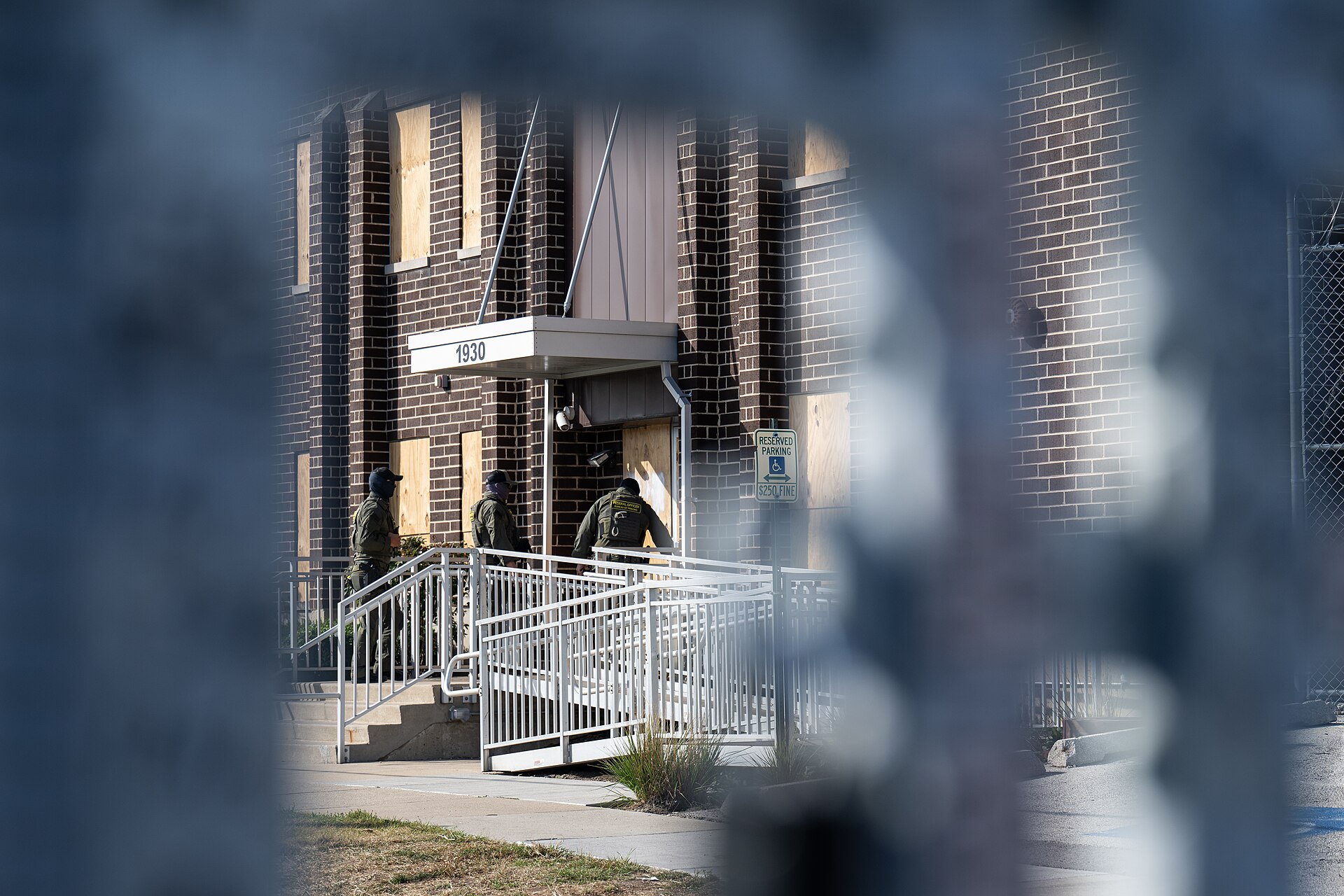
A report by "POGO Investigates", a non-profit news organization that "seeks to expose systemic corruption and abuse of power in the federal government", was recently published. It presents significant data from investigations into U.S. Immigration and Customs Enforcement (ICE) detention centers, revealing a severe crisis in the oversight of their operations - particularly regarding the grievance system, which is supposed to guarantee anonymity and, at the very least, respect for human rights. It is important to note that ICE facilities are managed by both the government and private operators such as LaSalle Corrections, The GEO Group, CoreCivic and Management & Training Corp.
One of the issues highlighted concerns systemic failures in facility oversight. A Palestinian woman detained for about a year at the Prairieland Detention Center (Texas) provided an account demonstrating how inspections by the Office of Detention Oversight (ODO) are masked by superficial, temporary fixes, such as fresh paint and minor, short-term improvements to the food. Furthermore, despite constant complaints regarding medical negligence, contaminated water, and religious rights violations (the woman was even shackled to a hospital bed after her high fever was ignored), the facility received the highest rating of "Superior," indicating unanimous detainee satisfaction and no violations of standards.
This pattern reflects a nationwide trend. According to the report, between the 2022 fiscal year and July 2026, the number of deficiencies recorded by the ODO dropped by nearly 70%, while the number of facilities rated as "Superior" tripled. This artificial improvement coincided with the easing of regulations in 2026, which removed requirements such as annual water testing by independent laboratories and mandatory pay for voluntary work programs, thereby reducing costs for private companies. ICE never issued a failing grade to facilities dedicated exclusively to the agency.
Amidst the negligent oversight of ICE facilities, there has been a glaring increase in in-custody deaths, reaching a record high of 33 fatalities in 2025, with dozens more recorded in 2026 (a period during which ICE stopped disclosing deaths that occurred shortly after release). Cases such as that of a 39-year-old man who died at the Adelanto center from complications of an abscess—after weeks of receiving only Tylenol—highlight this negligence, according to the report: days before his death, the ODO had cited the facility for zero medical violations and rated it "Good," a finding that contradicts investigations by the California Department of Justice and human rights groups.
An NPR report, consistent with the POGO report, reveals the collapse of the internal grievance system designed to allow the reporting of abuses without fear of retaliation. The weakening of oversight bodies during President Donald Trump's second term coincided with a situation where in-custody deaths hit a record high of at least 53 fatalities, driving detainees to hunger strikes, according to NPR. When asked about the system's effectiveness, the Department of Homeland Security (DHS) merely cited the guidelines of the 2011 Performance-Based National Detention Standards.
One emblematic case highlighted in the report involves a Mexican national with a brain tumor who was detained in "California City." His chemotherapy was interrupted, and the supply of anti-seizure medication became irregular. The man filed four formal grievances requesting specialized care but never received a written response from CoreCivic or the DHS within the required 24-hour to five-day timeframes; he was released only after turning to the state courts. According to the report, experts explain that oversight is hampered by the coexistence of multiple sets of contractual standards (2011, 2016, and 2019). The overall situation is further exacerbated by the closure of the Office of the Ombudsman in May of this year and cutbacks to the Office for Civil Rights and Civil Liberties (CRCL)—whose staff was reduced from 150 to just a few dozen—stalling more than 500 complaints due to government cost-cutting measures.
The lack of centralized data prevents public tracking of complaints. According to an NPR report, a 2024 study by the ACLU of Northern California and the California Collaborative for Immigrant Justice regarding 485 complaints revealed that 71% were dismissed as unfounded, 21% were closed without resolution, and only 8% were upheld. Furthermore, filing complaints often exposes detainees to retaliation, such as solitary confinement or transfer to facilities far from family, acquaintances, and viable access to legal services.
The NPR report also highlighted ongoing barriers to external oversight, such as the blocking of unannounced visits and issues with detainee complaint hotlines at CoreCivic facilities. Additionally, the GEO Group faced legal action from the New Jersey Attorney General after staff at the "Delaney Hall" center blocked inspectors from entering during a hunger strike protesting spoiled food and medical neglect; a subsequent inspection revealed sanitary violations and a failure to monitor suicide-prevention logs.
Despite penalties established by the U.S. Congress—such as the suspension of funding and contract termination following two consecutive failed inspections—government waivers have kept overburdened centers operational, even as the ICE-detained population surged by 75%, exceeding 73,000 detainees (most of whom had no criminal record). Finally, faced with this administrative collapse, the judiciary intervened: at the "Adelanto Processing Center," where at least four people have died since September 2025, a federal court issued an injunction ordering the provision of basic supplies and the appointment of two independent monitors with a confidential reporting channel.
As official oversight omits and falsifies data regarding evaluations of ICE detention centers, the internal grievance system fails by ignoring or systematically rejecting—or even retaliating against—warnings raised by the detainees themselves. This reveals an institutional collapse within the system, driven by the weakening of federal oversight bodies and the neutralization of checks and balances mandated by Congress. The absence of rigorous inspections and a functional reporting mechanism creates an accountability vacuum that protects the financial interests of private operators; this allows for severe medical negligence, human rights violations, and a record number of in-custody deaths to occur without proper administrative control, effectively leaving the task of curbing abuses in immigration detention to the intervention of the judiciary and external entities.