
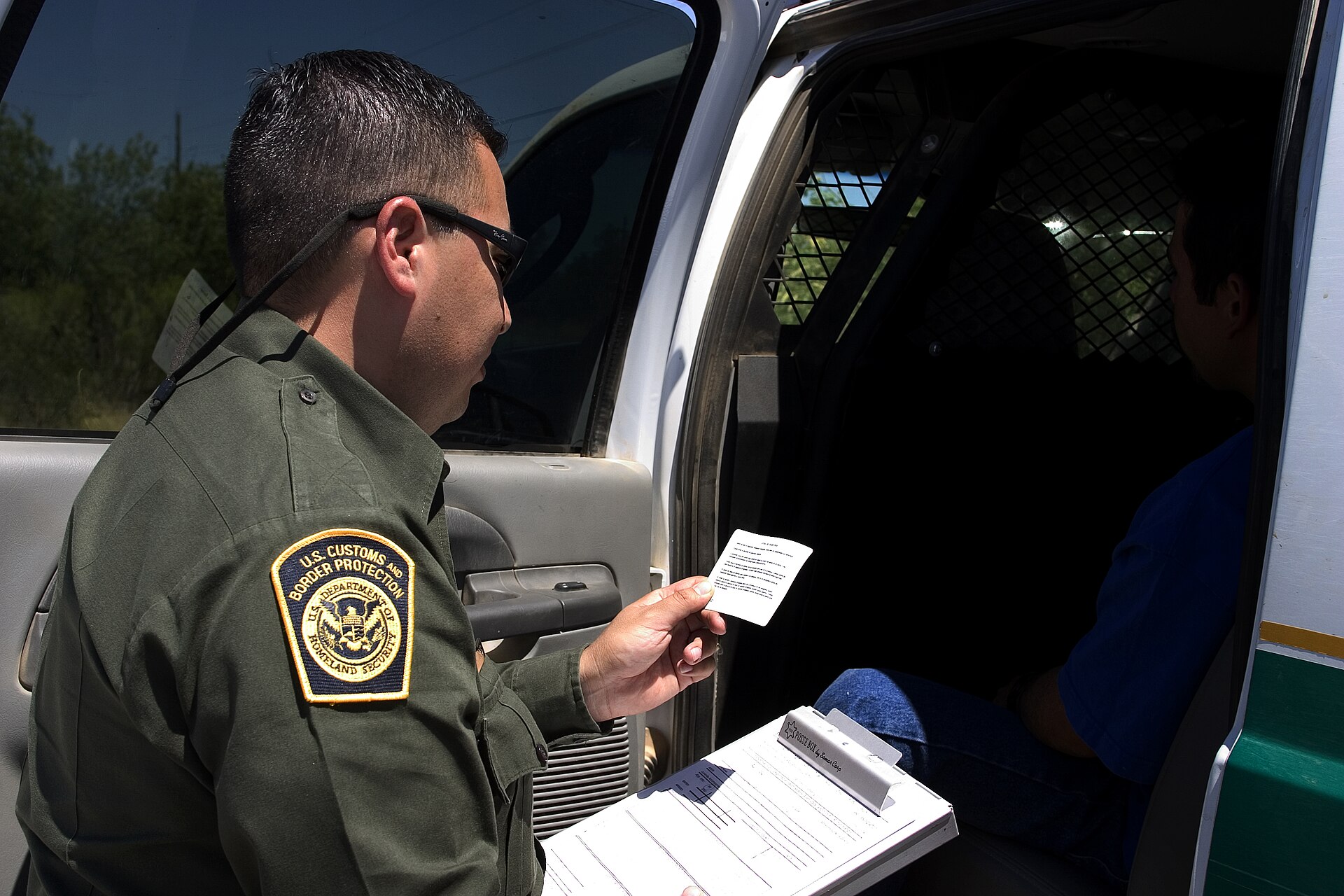
 Gerald L. Nino, CBP, U.S. Dept. of Homeland Security
The dynamics of migration at the southern border of the United States are currently marked by an apparent political and operational paradox. Although the number of migrants arriving at the U.S.-Mexico border has reached historically low levels, the White House leadership continues to push for even stricter containment measures. As reported by The New York Times, the primary architect of this hardline approach is Stephen Miller, who recently assumed the role of Chief of Staff.
According to accounts cited in the publication, even in the face of a drastic reduction in migration flows, Miller has insisted - in conversations held over the last few months with officials from both the United States and Mexico - that the number of illegal crossings must be reduced further. This stance indicates that the statistical decline in border apprehensions is not viewed by the current administration as a point of stabilization or a reason to relax control policies; rather, it is seen as a baseline from which they aim to achieve the near-total elimination of irregular entries.
Stephen Miller’s elevation to the position of Chief of Staff lends even greater institutional weight to this agenda. According to the report, from this new strategic position at the heart of the American executive branch, Miller is expected to continue directly driving the agenda of border restrictions, leveraging his influence to coordinate federal agencies and maintain diplomatic pressure on the Mexican government.
In practice, the persistence of this rhetoric and approach signals that bilateral cooperation between Washington and Mexico City will remain heavily contingent upon migration control. For Mexican authorities, this scenario necessitates the maintenance of ongoing enforcement and detention operations within their own territory - even in a context where indicators of pressure at the northern border have reached historic lows.