 Robert DeDeaux (USACE PAO)
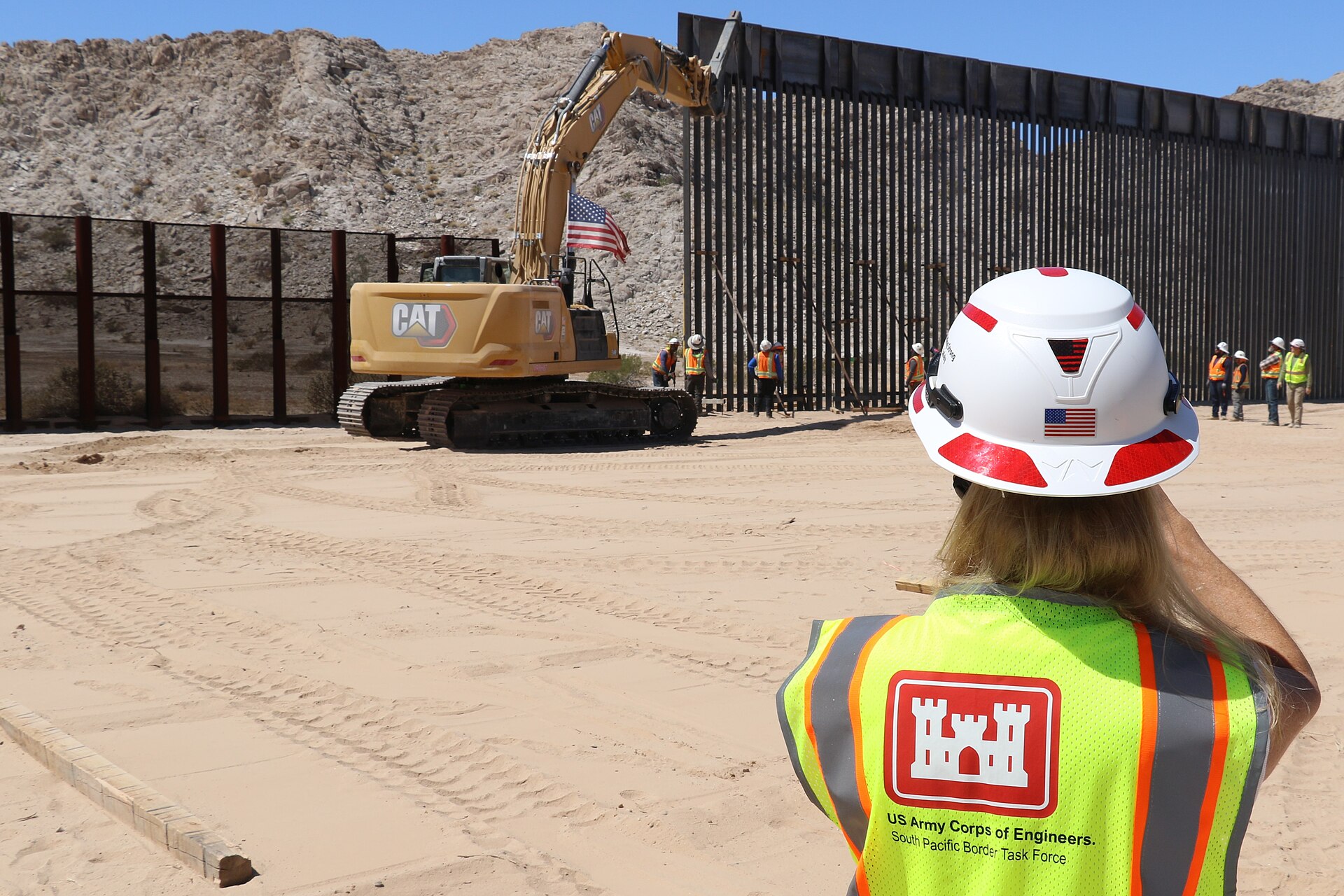
In August of this year, the Donald Trump administration began border infrastructure work in the vicinity of Big Bend National Park, in Texas. The region, which borders Mexico, has become a focal point of resistance to the U.S. government’s projects. The endeavor is part of a broader plan that includes an investment of approximately $46.5 billion for the construction of walls, barriers, and roads, as well as the installation of surveillance technologies along the U.S.-Mexico border.
This project aims to fulfill one of Trump’s key campaign promises: to expand and complete the construction of a wall along the country’s southern border. U.S. Customs and Border Protection (CBP) - the federal agency responsible for border oversight and the enforcement of customs and immigration laws - has been leading some of these initiatives to expand border infrastructure. The plan also includes an increase in the technological resources used for border surveillance. The idea of installing solar panels on the wall, for instance, was previously mentioned by Trump in 2017. That same year, the president signed an executive order to initiate the construction of the physical barrier, reinforcing one of his primary electoral pledges.
At the time, Trump justified the construction of the wall as a necessary measure to control the irregular entry of immigrants, combat drug trafficking, and protect American jobs. The government maintains that expanding border infrastructure is essential to preventing the irregular entry of people, goods, and illicit products into United States territory.
However, the expansion of these structures has also drawn criticism and resistance. In August of this year, the construction of roads and other security infrastructure in the Big Bend region was temporarily suspended following criticism and objections from environmentalists, residents, and local authorities. Opponents have raised concerns regarding potential impacts on biodiversity, the natural landscape, and the region's economic activities. This halt highlighted the tensions between the Trump administration’s border security policy and environmental preservation.
The expansion of the wall, combined with other U.S. government policies
aimed at curbing and reducing immigration, represents the continuation of a
political project that Trump had been developing since his first term,
between 2017 and 2021. Although these initiatives were interrupted or revised
during the Joe Biden administration, they have regained momentum with Trump’s
return to the White House in 2025. Beyond merely reviving a campaign promise,
the administration is demonstrating an interest in deepening an immigration
policy that places border control at the core of its agenda.