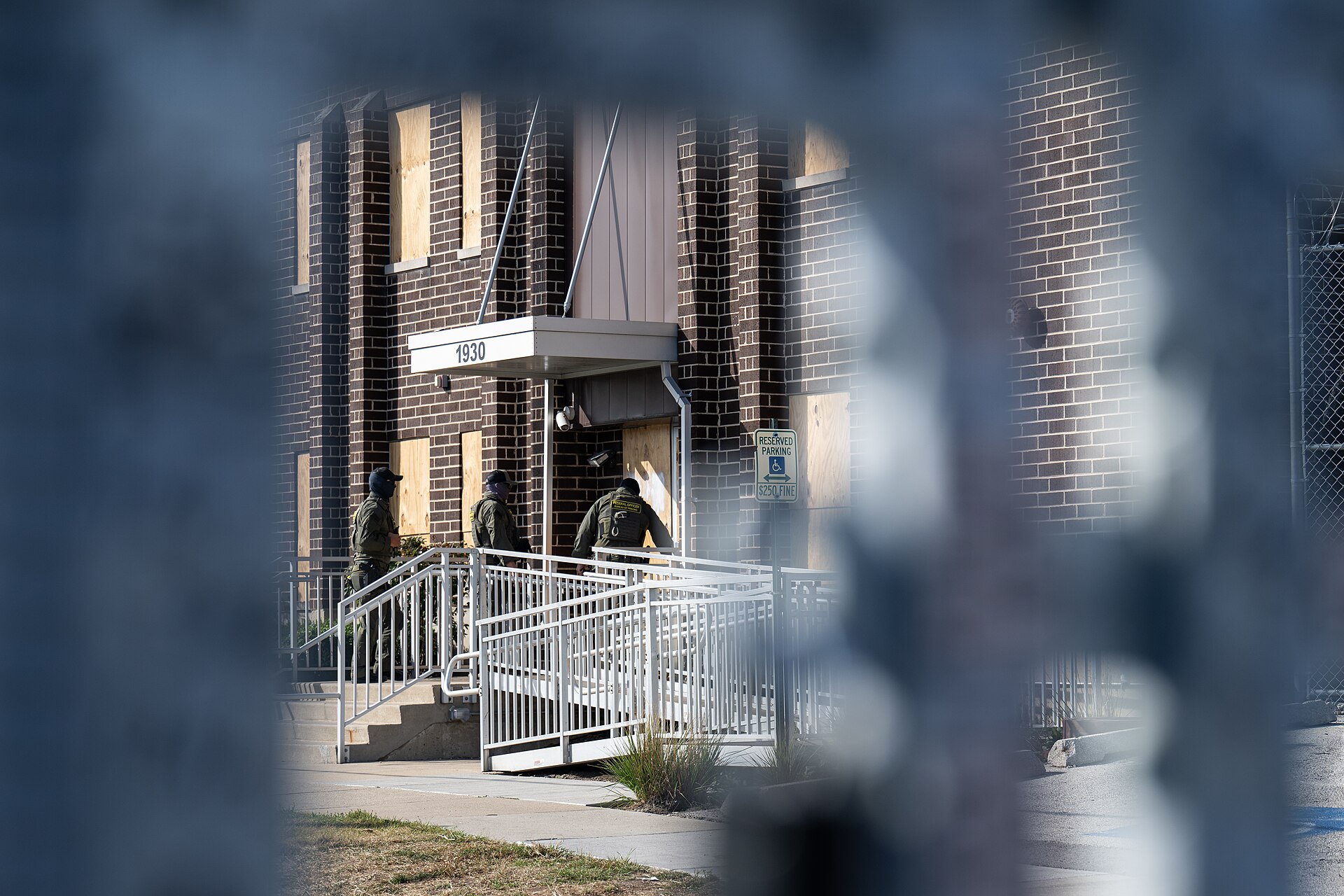
The news published by TIME shows that the United States government intends to expand the ICE (Immigration and Customs Enforcement) immigration detention system. The plan foresees the construction or expansion of units in 14 different locations, including states such as Texas, Florida, and Arizona, as well as more distant places like the Virgin Islands and the Guantanamo military base in Cuba. The total cost could reach US$10 billion, with the goal of reducing overcrowding in a system that already holds more than 60,000 people in custody.
This expansion is happening because the current facilities are already facing overcrowding and serious problems. The report points to situations such as lack of adequate medical care, expired food, ventilation failures, and disease outbreaks. The choice of Guantanamo also draws attention due to the high costs and low occupancy. The government spends millions of dollars a year to maintain the facility, but few spaces are actually used, which raises doubts about the efficiency and cost-effectiveness of this strategy.
There is also a contradiction between the official discourse and the situation found in the detention centers. The government claims that the focus of the policy is to arrest dangerous criminals, but a large part of the people detained by ICE have no criminal convictions and remain in custody while awaiting immigration proceedings or deportation.
Finally,
the project faces several obstacles to its implementation. The initiative
involves high costs, operational difficulties, and lawsuits filed by
communities and local governments against some of the constructions. Thus, the
article shows that the government seeks to expand and consolidate the detention
of immigrants as a permanent part of its immigration policy, despite the high
costs, the existing problems in the facilities, and the legal conflicts.